The three-year European project Co-Vision is coming to an end in late November 2026. The international collaboration between institutions from nine European countries brought together art, local communities and experts to explore new ways of talking about environmental issues and making them more accessible to the public. Signal Festival was part of the consortium representing the Czech Republic.
Nine countries, one shared vision
Co-Vision was established as part of the Creative Europe programme, which supports international cooperation in the cultural and creative sectors across Europe. The project brought together leading cultural organisations, including the French video mapping festival Rencontres Audiovisuelles from Lille and KIKK from Namur, Belgium, a well-known organisation in the digital arts community. Partners from Romania, Finland, Croatia, Greece, Spain, Portugal, Italy and the Czech Republic also took part in the project.
The shared vision of the participating institutions was to explore how environmental issues can be addressed through art and how the voice of the landscape can be translated into artistic expression. In some places, the focus was on the future of rivers and aquatic ecosystems, while elsewhere the projects explored the changing nature of coastal areas.
The Czech story: Soutok
As part of Signal Festival, we focused on the unique landscape of the Moravian Amazon, known as Soutok. This exceptional area lies at the confluence of the Morava and Dyje rivers and is a place where the interests and expertise of biologists, landscape architects, archaeologists and water management specialists meet.
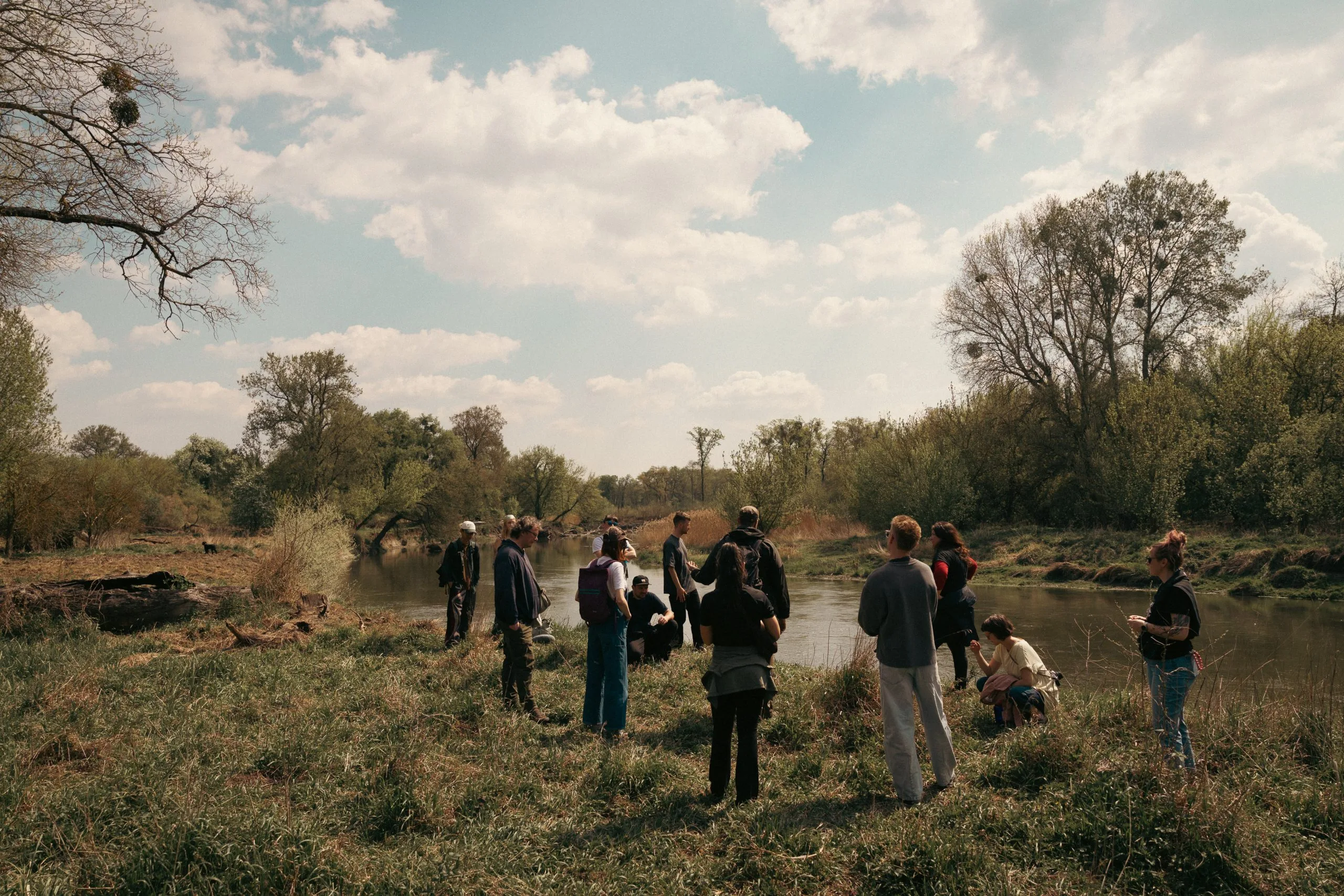
During the project, more than fifty years of efforts by local communities to protect the area finally reached a major milestone. In 2025, Soutok was designated a protected landscape area, giving it a new status intended to help preserve its exceptional nature and endangered species.
One of the outcomes of the Czech part of the project was the new artwork Soutok by a group of artists – David Přílučík, Marie Kukač, Selmeci Kocka Jusko and Katarina Gryvul, presented at Signal Festival 2025.
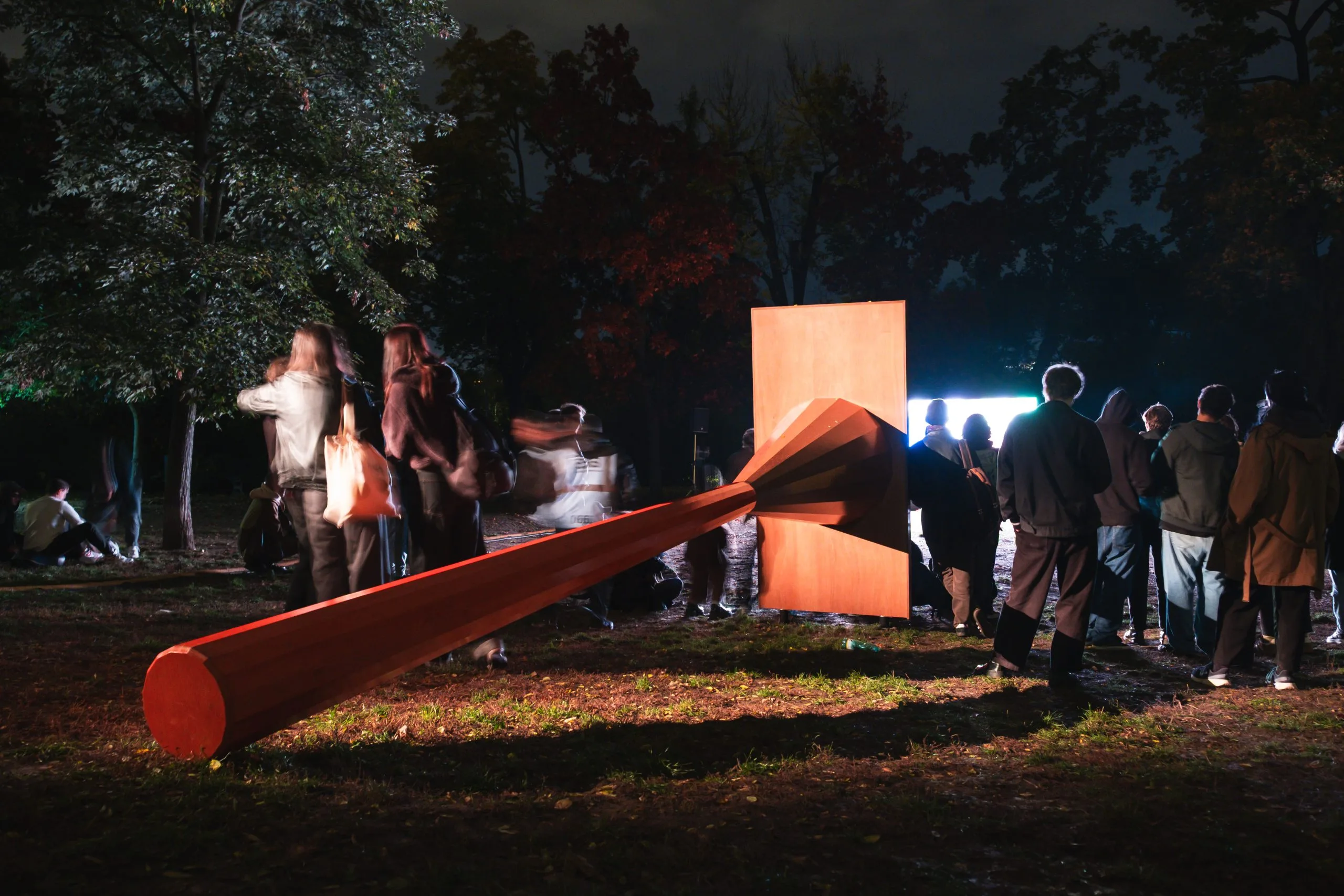
As part of the project, Signal also organised discussions and lectures with experts on nature conservation, as well as talks by local artists and community members. These events took place in Mikulčice in South Moravia and as part of the Signal Forum conference.
Projects across Europe
Over the course of three years, the project opened up a whole map of European environmental topics and approaches. For example, at the ADAF festival in Athens, a children’s workshop called Valley of Jellyfish was created to explore the subject of jellyfish and their role in marine ecosystems in a playful way. Czech audiences had the opportunity to experience the workshop at Signal Festival 2026.
The project also supported the creation of the Student Visions initiative, through which the organisers explored how to develop a community project together with student organisations.
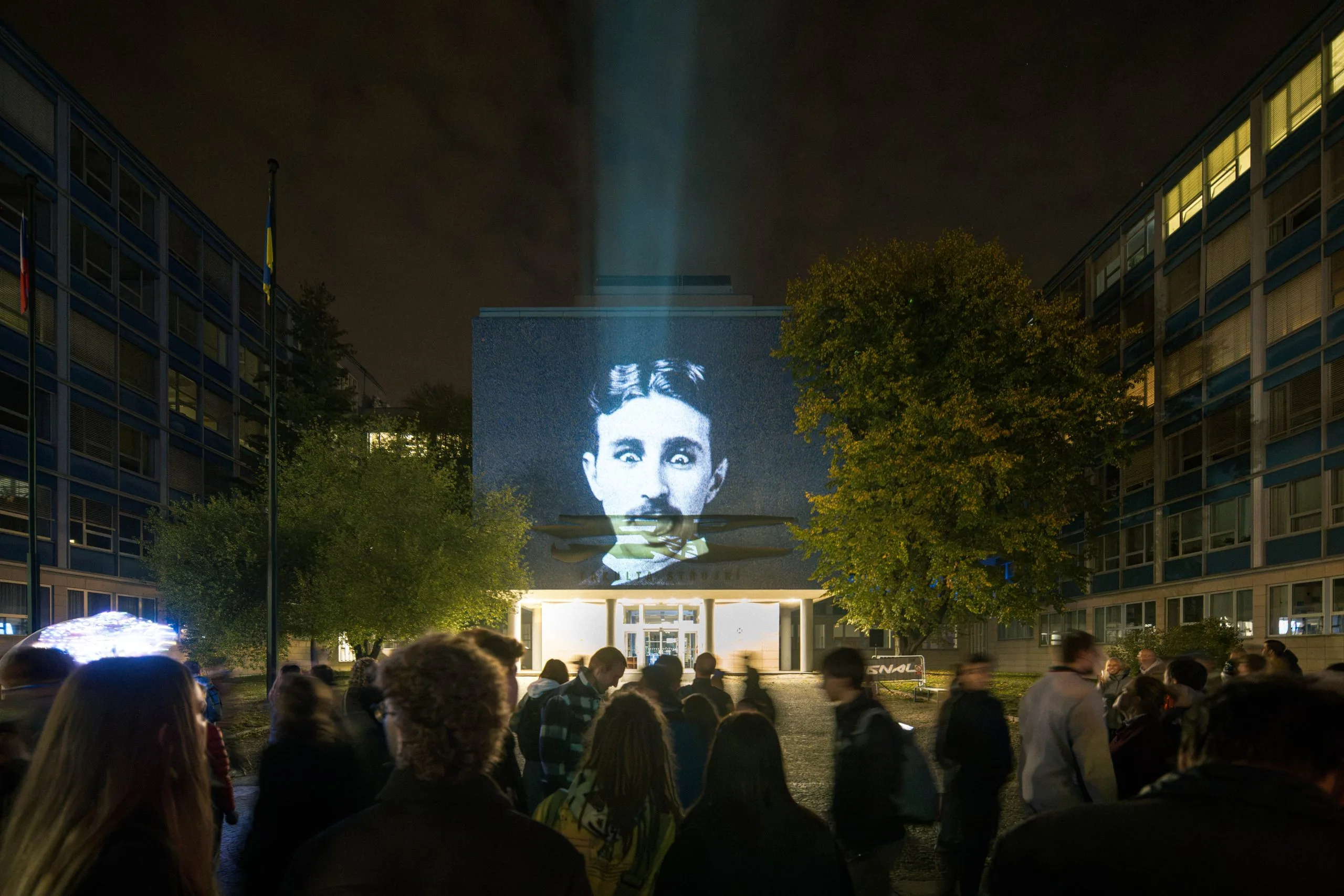
Students of CTU, Faculty of Electrical Engineering → FaceIt (Student Visions) at Signal Festival 2026. Photo: Tomáš Slavík
The project reached its symbolic conclusion at Signal Festival 2026, where the partners presented their projects as part of the Signal Forum conference and showed how differently the relationship between art and ecology can be approached in different parts of Europe. Topics included ocean waves on the Croatian island of Lastovo and a parasite threatening the iconic pine trees of southern Italy.
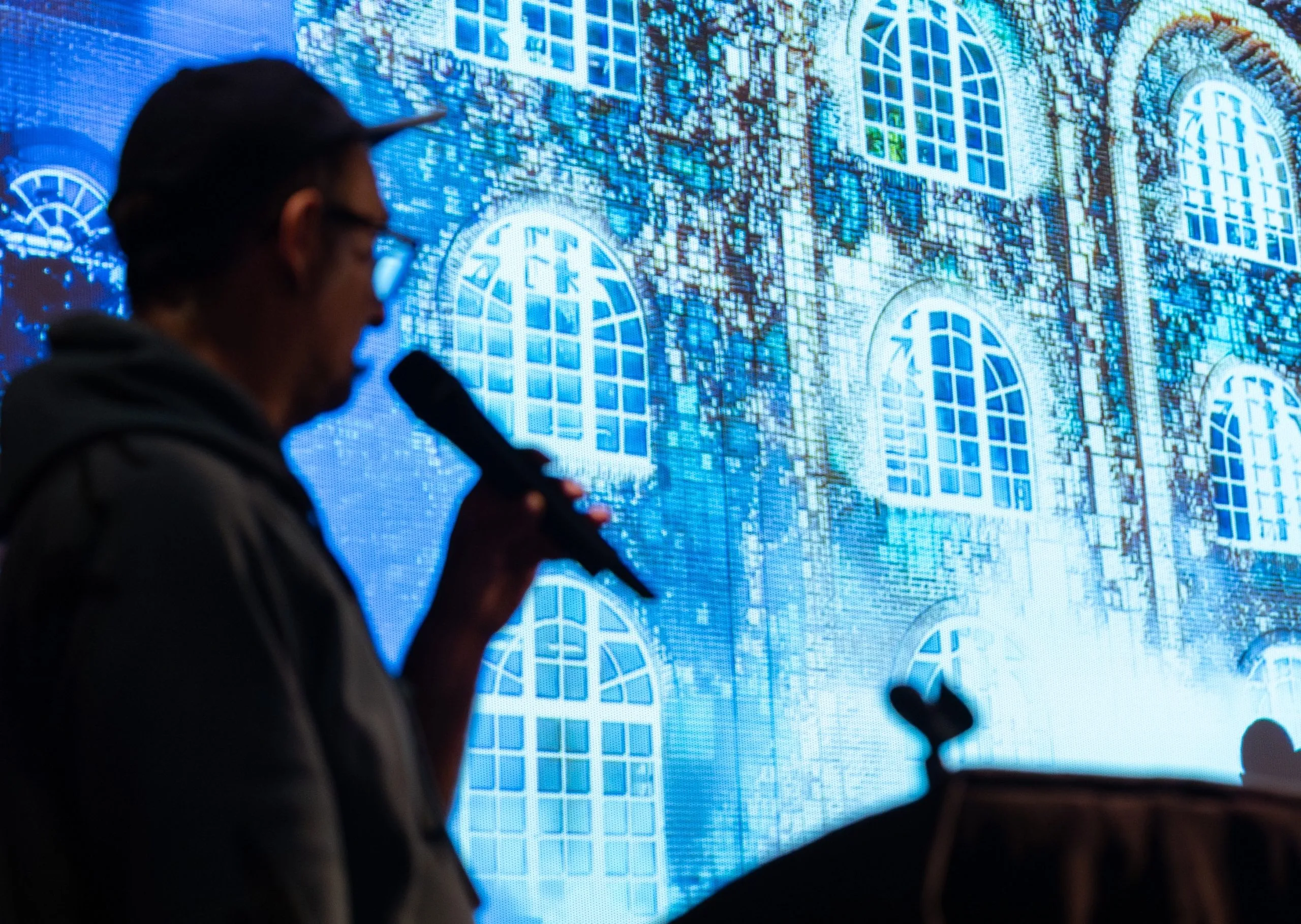
The Co-Vision project was symbolically brought to an end through presentations by the participating partners at Signal Forum 2026. Photo: Michal Blecha
Co-Vision comes to an end. The inspiration remains
One of the most important outcomes of Co-Vision is a digital archive bringing together the artworks, discussions, lectures and workshops created during the project, as well as information about all the people and organisations involved.
“We believe that this archive will help preserve not only the project’s outputs, but also its spirit, providing inspiration for festivals and artists who wish to explore similar topics,” concludes Daniel Burda, the project coordinator on behalf of Signal Festival.
What remains is therefore not only a collection of artworks, but also the experience, connections, methodologies and inspiration that can benefit future festivals, artists and cultural organisations.