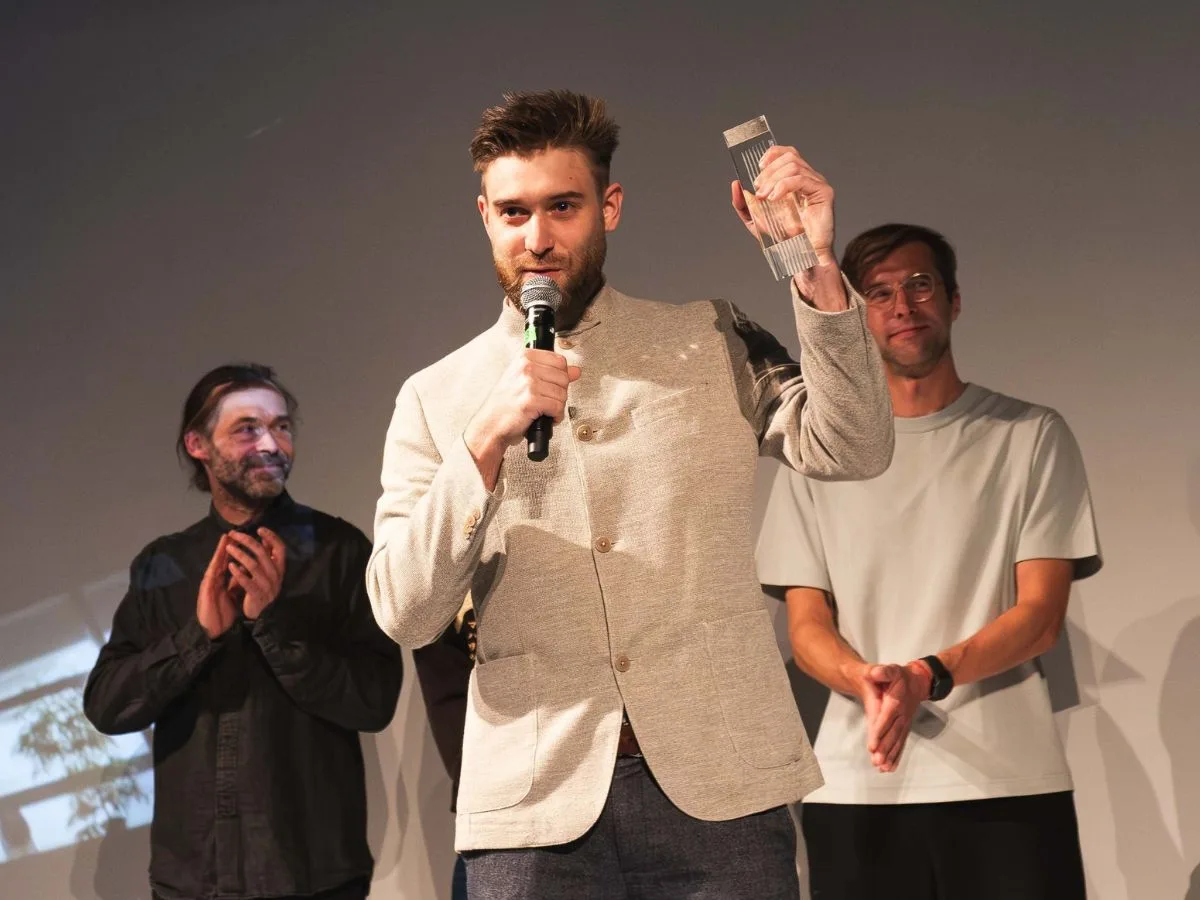
The expert jury selected the artist Kryštof Brůha as a winner of first Signal Award NEXT for his long-standing exploration of the intersection between digital technologies, generative processes and materiality. He received the award during the opening of this year’s Signal Festival on October 15 at Signal Space.
The Signal Award NEXT was established to support and spotlight Czech artists who are continuously expanding the possibilities of digital, light and interactive art. The jury assessed artistic quality, innovative use of technology and its connection to artistic content, social relevance, and a long-term commitment to the field.
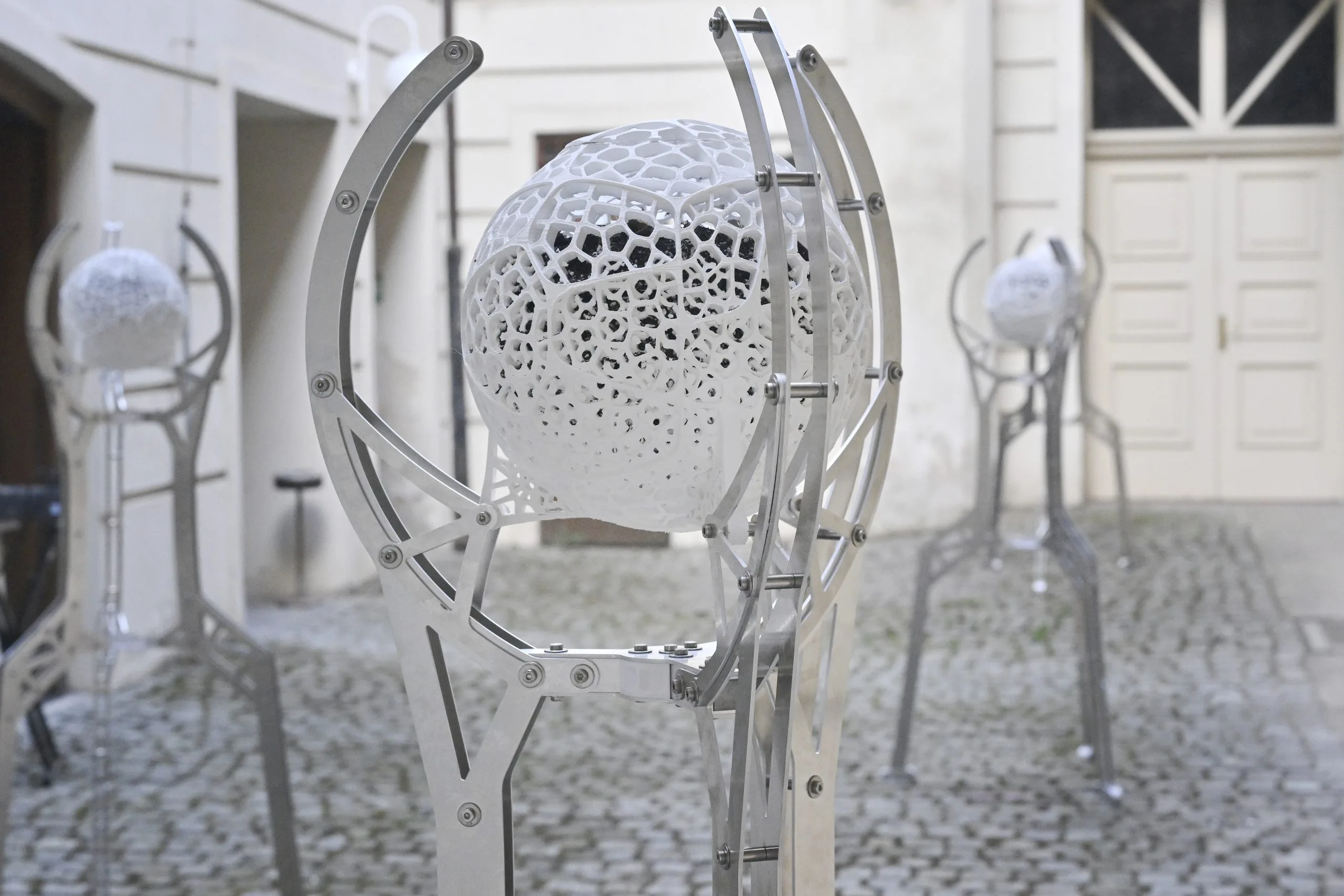
The jury particularly recognized Brůha’s focused exploration at the intersection of material ontology and digital space. In his installations and objects, he combines algorithmic networks, generative design, machine learning, 3D printing, CNC technology and robotic elements. His kinetic objects and generative videos reflect the ambivalent human desire to control natural processes.
A particularly notable example of his work is the exhibition Aeris Chronos, presented at the House of the Lords of Kunštát in Brno from December 2025 to February 2026. For the installation, Brůha transforms data from long-term air-quality measurements in Brno into multisensory compositions. He explores air as a living archive of time, carrying traces of history, environmental change and human activity.
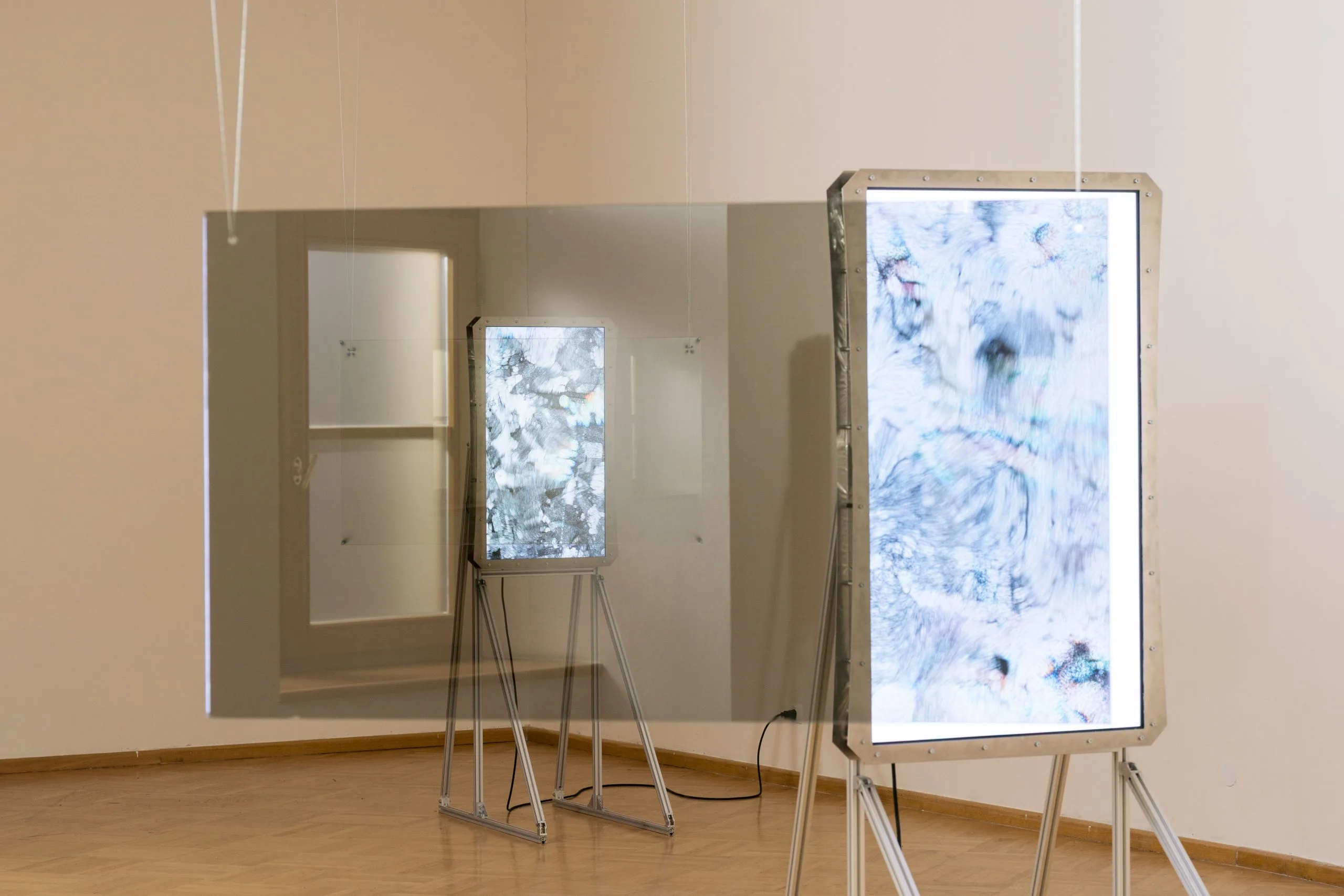
The jury also recognized Brůha’s ability to develop his own technological tools and transform them into a distinctive artistic language. His long-term practice and presence on the international art scene were also important factors in the decision.
“Receiving the Signal Award NEXT is an important confirmation that I am heading in the right direction. Given the intensity of my current practice and the experimental nature of my working process, it is often difficult to step back from my own work,” says Kryštof Brůha.
According to the winner, the award also highlights the increasingly strong connection between Signal Festival’s audiovisual scene and contemporary fine art. “I see this synergy as particularly productive and important, whether in terms of continuously pushing the quality and depth of the installations themselves, or opening contemporary art up to a broader audience,” he adds.
The jury selected the winner from more than 30 works created between 2022 and 2026. Alongside Kryštof Brůha, the finalists were Jan Poš, BCAA system, Natália Sýkorová and Vojtěch Radakulan. The Signal Award NEXT is now a new part of Signal Festival’s activities supporting contemporary digital and audiovisual art and its connection with the broader contemporary art scene. The glass trophy was designed by designer Václav Mlynář.
Other Signal Award NEXT 2026 Finalists
BCAA system
Work: No Blade of Grass (2025)
A video installation based on recordings of LARP sessions, combining video, 3D and audiovisual performance. Presented as part of the Enter the Room exhibition at the Prague City Gallery.
Jan Poš
Work: Mýtus o hyperrealitě (2025)
A porcelain object with a kinetic mechanism and LED panel, accompanied by projection and sound. The objects are first created in Blender and then materialized in porcelain and steel. Documentation of the artist’s diploma exhibition at the Academy of Fine Arts in Prague, presented as part of Signal Festival 2025.
Work: Synapse — competition winner, 2023
A permanent light installation in public space in the Prague metro. A strong example of the transition from a temporary festival project to a permanent installation.
Natália Sýkorová
Work: Their calls echoing through the flood (2025)
An installation and video with performative elements inspired by LARP, creating an audiovisual narrative set against the backdrop of climate collapse. Presented as part of the Enter the Room exhibition at the Prague City Gallery.
Vojtěch Radakulan
Work: Klíčová dírka (2024–2026)
A two-year hybrid space at the intersection of architecture, game engines and rendering software. Its long-term format distinguishes it from a one-off installation. Presented at PLATO Ostrava.
Work: The Period of Lonely Shifts, or The Most Expensive Museum in the World (2022)
A multiplayer VR and PC experience combined with a physical installation, in which visitors become a robot or a light inside a nuclear power plant. The work is complemented by drawings, photographs and 3D-printed hardware modifications. Presented at the National Gallery Prague as part of the 2022 Jindřich Chalupecký Award exhibition.